Have you ever felt your stomach twist before making a sales call? You’re not alone. Fear of being rejected, failing, or not being good enough is something many people face in sales. I’ve been through it too. But here’s the truth: overcoming fear in sales isn’t just possible—it’s super important if you want to succeed.
Sales can feel scary, but it doesn’t have to stop you from doing well. By changing how you think, using smart strategies, and becoming more confident, you can overcome those fears and become a successful salesperson. In this guide, I’ll show you how I got over my sales fears and give you tips that will help you do the same.
The Psychology of Overcoming Fear in Sales: Why Do We Feel It?
Sales fear mostly comes down to one thing: rejection. Humans have always been afraid of rejection because, in the past, being rejected from a tribe could mean you were left alone without protection. Today, even though we don’t face the same dangers, our brains still treat rejection as a threat.
That’s why many salespeople hesitate when they have to make cold calls or ask for a sale. It’s natural to want to avoid rejection. But the good news is, we can learn to deal with it.
Overcoming fear in sales is not only necessary, but it is entirely realistic and possible to achieve.
What Happens in Our Brains When Trying to Overcome Fear in Sales?
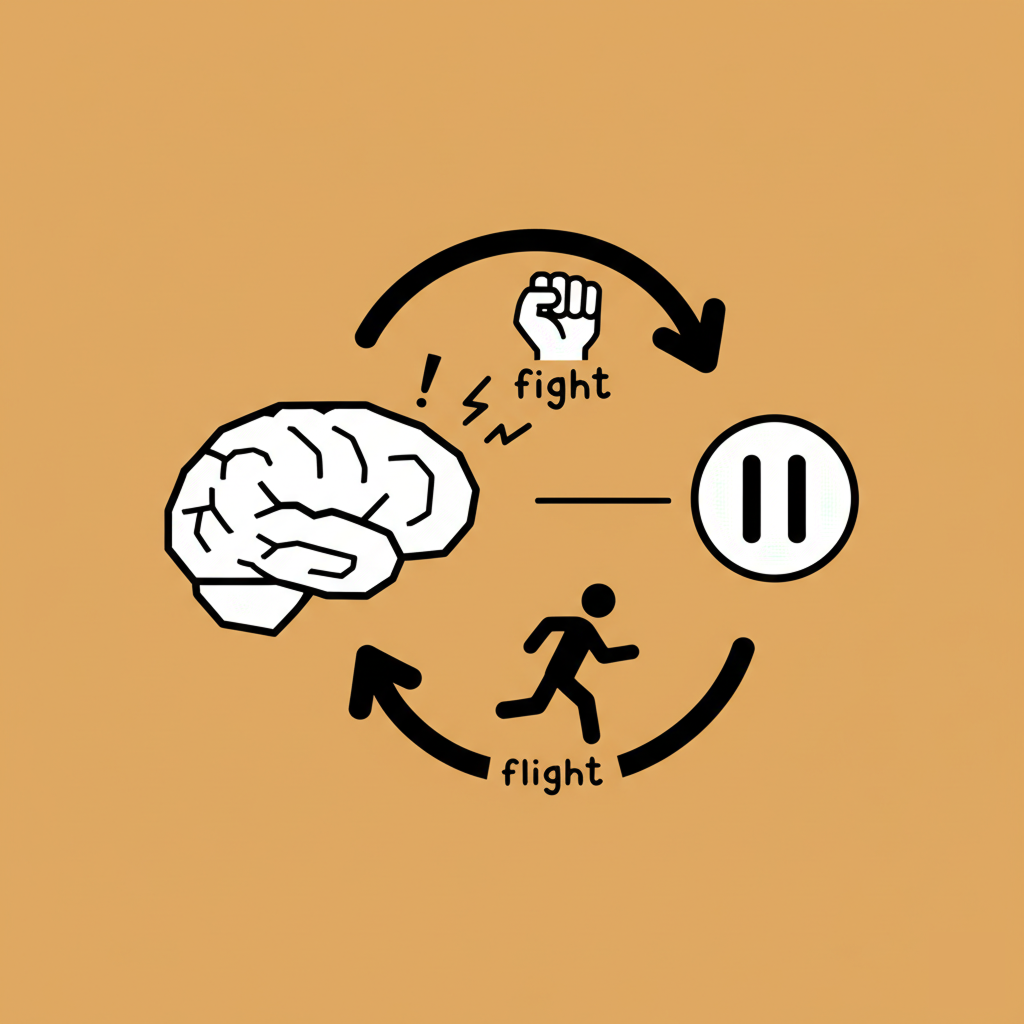
When you feel scared or anxious, your brain triggers the “fight or flight” response. It releases stress hormones like cortisol, making you want to avoid the situation or even become aggressive. Knowing this helps you manage your reactions better. Once you understand that your fear is just your brain’s way of protecting you, you can train yourself to stay calm and confident when faced with challenges in sales.
Fear manifests in several ways:
- Fear of Rejection: Hesitation in making cold calls or following up due to deep-seated anxieties of being disliked or excluded. In fact, approximately 40% of salespeople find prospecting daunting due to this fear.
- Fear of Failure: The possibility of missing quotas or losing deals can trigger self-doubt and feelings of inadequacy. According to Salesforce, 67% of sales reps don’t expect to meet their quotas, which fuels fear and stress.
- Indecision in Closing Deals: In B2B sales, indecision is often a more significant barrier than competition. Salespeople may fear that buyers will hesitate to make decisions, which is often rooted in a “Fear of Messing Up” (FOMU). This fear can lead to prolonged sales cycles and lost opportunities.
- Fear of Ignorance: Sales professionals frequently worry about not being able to answer tough questions from prospects. This fear is particularly pronounced during negotiations and closing stages, where 35% of salespeople consider closing deals the most challenging part of their job.
- Follow-Up Anxiety: Many sales reps avoid following up with leads due to fear of rejection or receiving negative feedback. Statistics show that only 2% of sales occur during the first point of contact, yet 44% give up after the initial conversation. This reluctance can result in significant lost opportunities.
These fears stem from our biology, but they can be retrained. With the right techniques, you can learn to respond calmly and confidently in high-pressure sales situations to overcome fear in sales.
Common Sales Fears and Their Triggers
Sales fears often stem from specific moments in the sales process that trigger anxiety. Here are some of the most common fears and how you can overcome them:
Cold Calling
- Fear: Anxiety about reaching out to someone who may not want to hear from you.
- Trigger: Immediate rejection.
- Solution: Break your cold calls into smaller, manageable batches and focus on the process, not the outcome. Each call is an opportunity to learn more about your prospect, regardless of whether they convert.
Handling Objections
- Fear: Losing control of the conversation when objections arise.
- Trigger: The pressure to have all the answers.
- Solution: View objections as buying signals—they mean the prospect is engaged. Practice handling common objections to feel more prepared and confident.
Asking for the Close
- Fear: Fear of hearing “no” when asking for the close.
- Trigger: The finality of rejection, which feels like the end of the relationship.
- Solution: Reframe the close as a natural progression of the conversation. Instead of asking, “Are you ready to buy?” ask, “What do you think would be the best next step?”
Following Up
- Fear: Fear of being perceived as pushy or annoying.
- Trigger: The idea that multiple follow-ups will irritate the prospect.
- Solution: Understand that follow-up is part of the process. Persistence is key, and follow-up with added value rather than just checking in.
Being Liked is Good, But Solving Problems is Better
Lots of people think that being liked by the customer is the key to making sales, but that’s not true. Yes, it helps if they like you, but the most important thing is whether you can solve their problem. Even if they don’t love you, they’ll still work with you if you bring value to their business.
Consider this simple diagram:
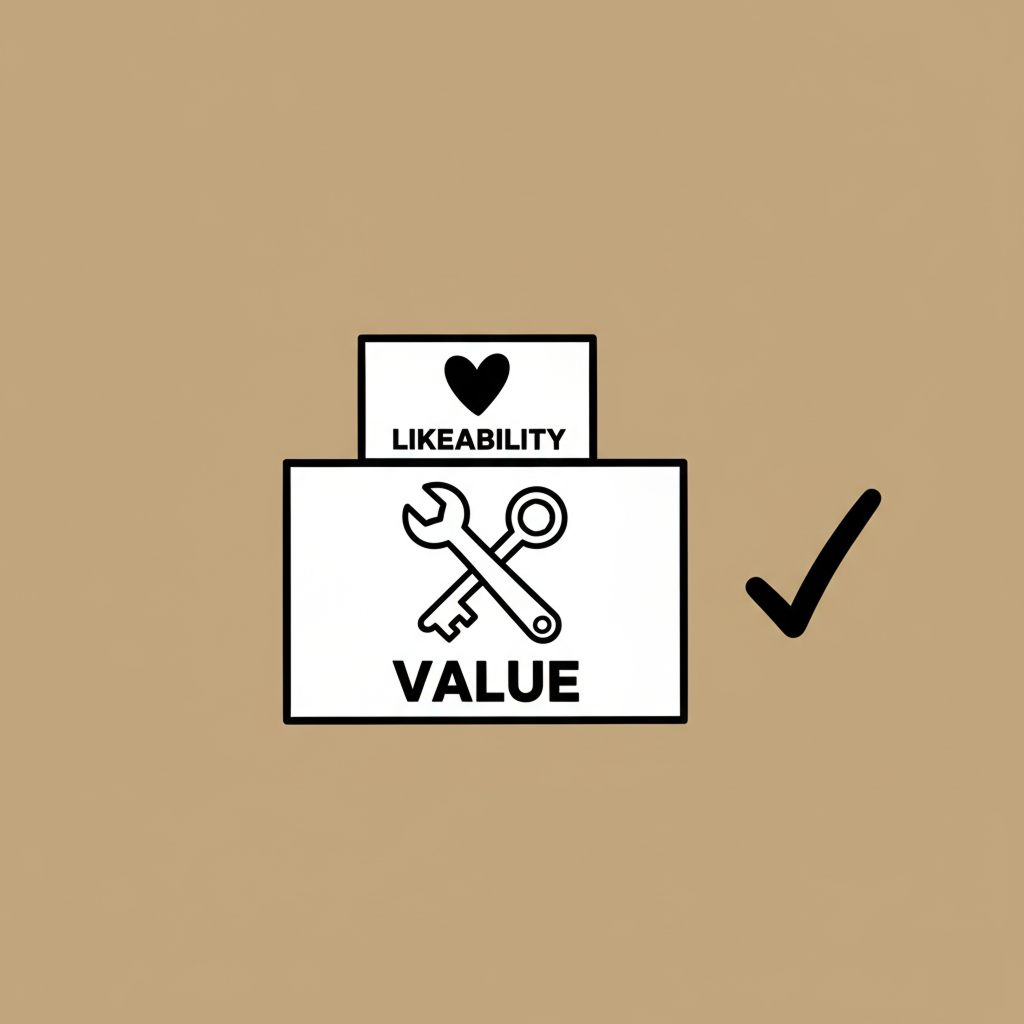
Here’s how it breaks down:
- High Value, Low Likeability: If the customer believes you can solve their problem, they’ll likely do business with you, even if you’re not their favorite person.
- High Value, High Likeability: This is the best-case scenario. They like you and believe you can solve their problem—meaning not only do you close the deal, but they might become a loyal customer.
- Low Value, High Likeability: If they like you but don’t see the value in your product, they won’t buy from you.
- Low Value, Low Likeability: This is the worst scenario. The customer doesn’t see the value, and they don’t like you, so the deal is dead.
The point is, always focus on solving the customer’s problem first. Being liked is a bonus, but if you aren’t helping them with their needs, it won’t lead to a sale.
If you truly understand this principle, overcoming fear in sales becomes easy as you will be focus on solutions rather than just problems.
Reframing Your Fear in Sales
To overcome fear in sales, you need to shift your mindset. Instead of seeing rejection as a threat, start viewing it as an opportunity to improve. Each “no” brings you closer to the next “yes.” Recognizing that fear is a natural part of growth allows you to expand your capabilities as a salesperson.
Step 1: Identify and Challenge Self-Limiting Beliefs
Many sales fears stem from self-limiting beliefs like:
- “I need to be liked to make the sale.”
- “I’m not experienced enough to speak with decision-makers.”
- “I’m afraid of being pushy or annoying.”
Challenge these beliefs by reframing them. For example, instead of “I need to be liked,” tell yourself, “I need to be respected, and respect comes from delivering value.” Most prospects appreciate clarity and assertiveness.
Step 2: Shift from “What’s in It for Me?” to “What’s in It for Them?”
One of the biggest shifts in my sales career was moving from focusing on my needs to focusing on the prospect’s needs. Sales is not about pushing products; it’s about solving problems. This mental shift transformed me from a pushy salesperson into a trusted advisor who provides real value.

Before your next call, ask yourself, “How can I help this person achieve their goals?” This simple shift will reduce anxiety and allow you to focus on serving, rather than selling.
Step 3: Transform Fear into Excitement
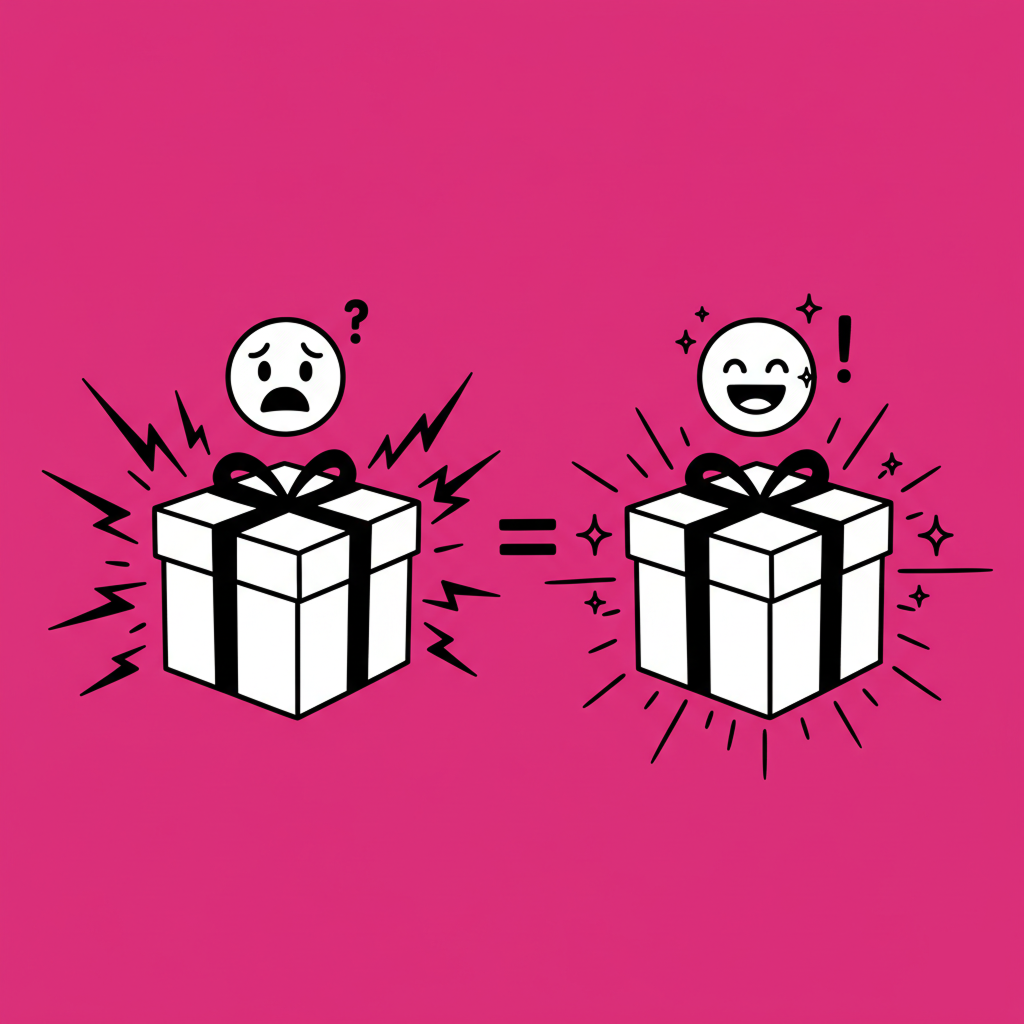
Fear often comes from uncertainty, but if you believe your solution genuinely adds value to your prospect, that fear can turn into excitement. Think about it this way—if you were handing someone a winning lottery ticket, you wouldn’t be fearful; you’d be excited. Apply the same mindset to sales. When you know your solution can solve their problem, approach the conversation with confidence and excitement.
Step 4: Position Yourself as an Expert, Not a Salesperson
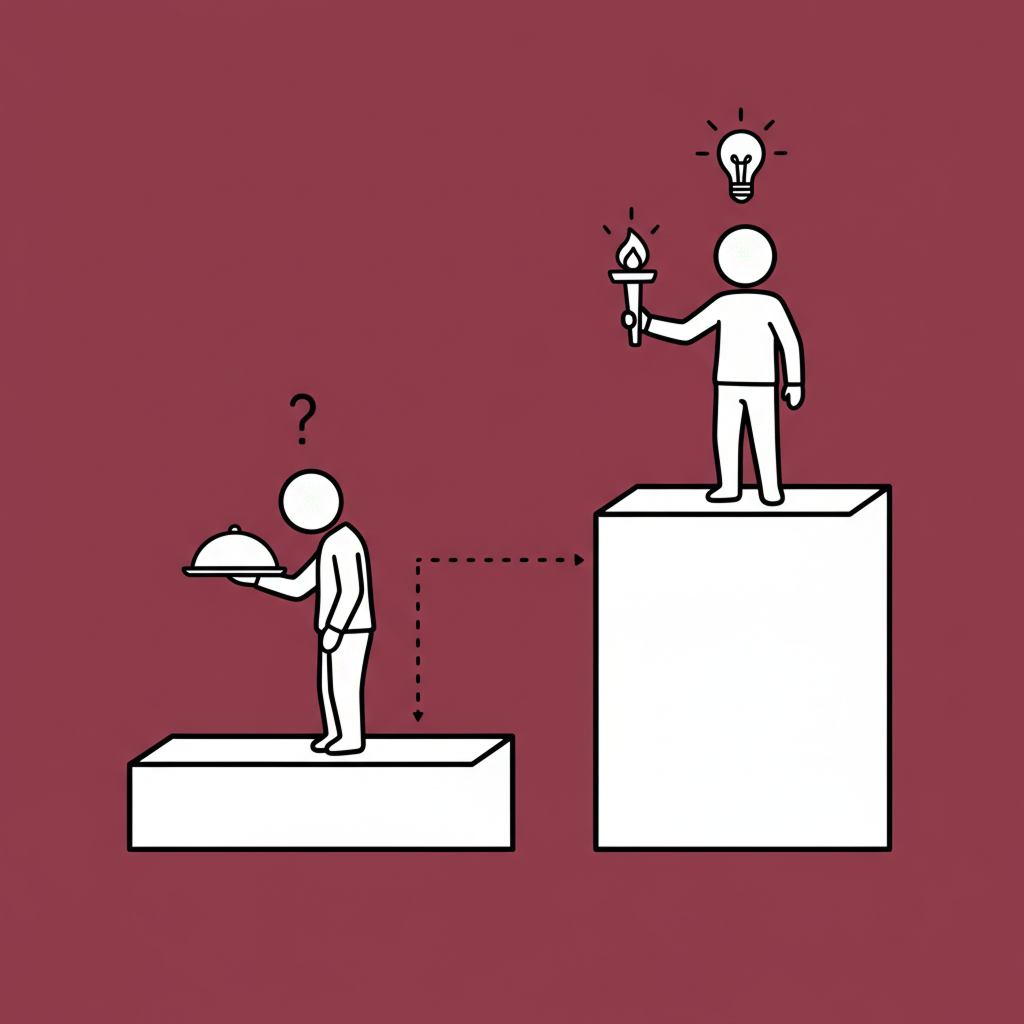
You are not just there to please your prospect—you are there to solve problems as an expert. Reframe the interaction from one where you cater to their whims to one where you lead the conversation. Guide the prospect by asking insightful questions and offering valuable solutions. When you position yourself as an expert, fear takes a backseat, and confidence rises.
Step 5: Practice Courageous Conversations
Fear often shows up when you need to have tough conversations about budgets, objections, or closing. Practicing courageous conversations can help reduce this fear.
- Prepare in Advance: Write down tough questions and practice your responses.
- Lead with Empathy: Before diving into difficult topics, ask for permission. For example, “To recommend the best solution, I need to ask about your budget. Is that okay?”
- Ask Open-Ended Questions: Encourage discussion with questions like, “Can you share what’s important to you in this decision?”
Step 6: Desensitize Yourself to Rejection
Overcoming fear in sales requires consistent exposure to potential rejection. The more you face rejection, the less power it holds over you.
Commit to making 100 cold calls a week or engaging in challenging sales conversations regularly. Neuroscience shows that repeated exposure can desensitize your brain’s emotional response, reducing fear and building confidence over time.
Real-Life Example: How I Changed My Approach to Sales
When I first started in sales, I was focused on just making the sale. I was so worried about closing deals that I didn’t think about what the customer actually needed. One day, I was pitching to a small business owner and talked only about my product’s features. The result? I didn’t make the sale.
I realized that instead of talking about me and my product, I needed to focus on the customer and their problems. On my next call, I asked more questions and tailored my solution to their needs. Not only did I close the deal, but the customer saw me as someone who could truly help them—not just another salesperson. That’s when I learned that selling is all about solving problems.
Conclusion: You Can Overcome Fear in Sales
Fear in sales is normal, but it doesn’t have to control you. With the right mindset and strategies, you can turn fear into excitement, build confidence, and become a better salesperson. Remember, sales isn’t about you—it’s about how you can help your customer. Focus on solving problems, and the rest will fall into place.