
Imagine a prospect comes into your car dealership, excited about a car you’re selling. You answer their questions, and they seem really interested. It’s a big decision, so they say, “I need to think about it. I’ll get back to you.” You feel confident the deal is almost done and believe that a customer follow up is unnecessary.
But weeks pass, and they never come back.
What happened?
This kind of situation happens all the time. The salesperson made a big mistake:
They left it up to the customer to follow up and assumed they’d come back if they were really interested.
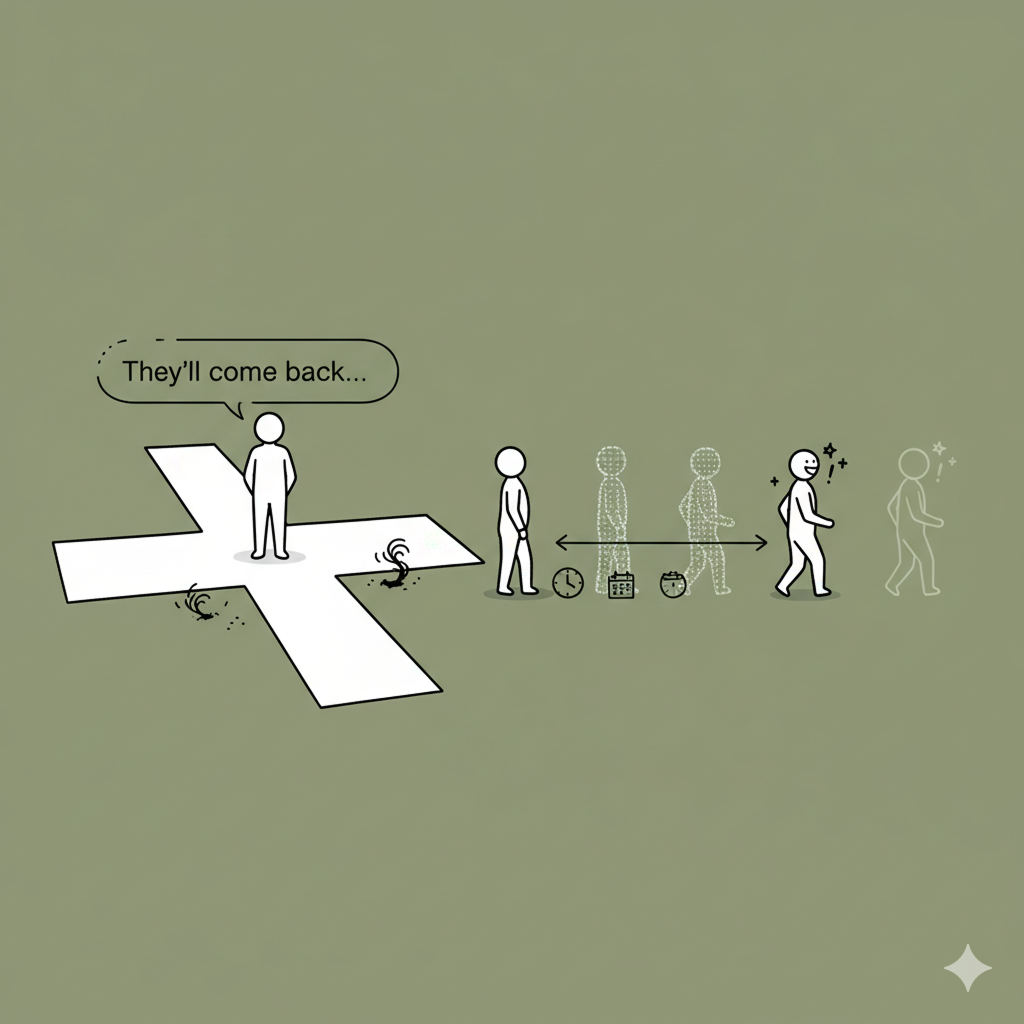
Customer Follow Up Mistake #1: Letting the Customer Decide The Next Step
A common sales mistake is assuming that if a customer is interested, they’ll reach out later. But that’s rarely the case. Here’s why:
- Excitement fades: Buying decisions are emotional, and without lead follow up, customers may forget the initial excitement and lose interest.
- People avoid change: Even when they want the benefits, customers hesitate. Distractions make it easy for them to set your product aside. Follow-up keeps your product top of mind and helps them overcome resistance.
- You lose control: Letting customers take the lead means you lose influence. By following up, you guide them through the decision process, keeping the sale on track.
Customer Follow Up Mistake #2: Assuming Customers Don’t Want You to Follow Up
Contrary to popular belief, customers do want you to follow up—as long as it’s done in the right way. They don’t want spammy, pressure-filled emails or calls. What they want is genuine, thoughtful customer follow up that helps them connect to their dreams, goals, and the solutions you offer.
Think about it this way: When a customer shows interest in your product, it’s because they’re hoping to achieve something—whether it’s solving a problem, upgrading their lifestyle, or reaching a personal goal. By following up, you’re helping them get one step closer to that solution.
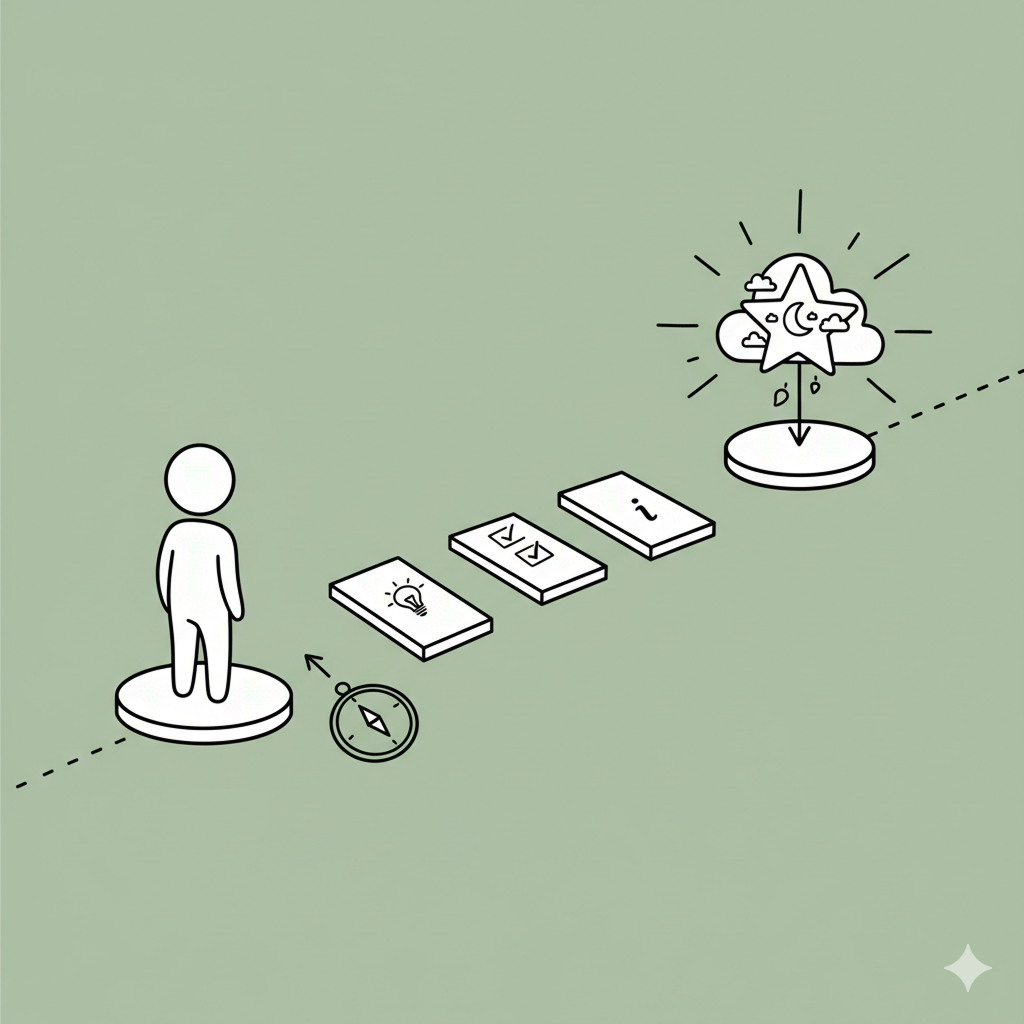
Why would they want that?
- You help them stay focused on their goals: Life gets busy, and customers can forget what excited them. Your follow-up reminds them of the benefits and keeps their attention on why they wanted your product.
- You make their decision easier: Customer follow up isn’t about pushing a sale; it’s about guiding them through their decision. Customers appreciate it when you answer questions and provide information that helps them make a confident choice.
- You help them solve a problem: Your product solves a problem or fulfills a need. Following up gives them the extra push to take action and improve their life.
- You show you care and build trust: Customers want to trust you, but trust must be earned. A thoughtful follow-up shows you care and reassures them that you’re there to support their goals, helping to build trust in your brand.
How Emotions Affect Buying Decisions
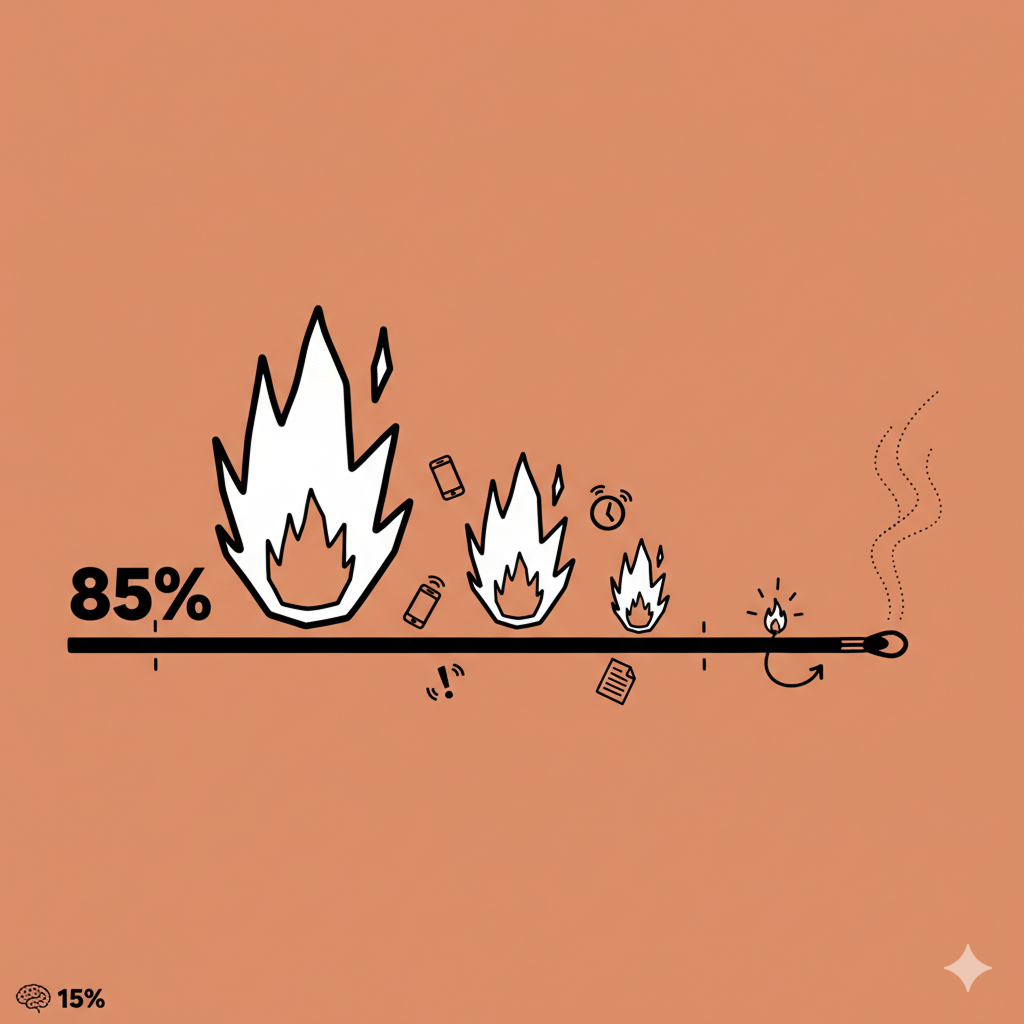
When people decide to buy something, emotions play a big role. Whether it’s upgrading their lifestyle or solving a problem, emotions drive them to act. That’s why it’s important to keep the excitement alive through customer follow up.
But if the excitement fades—if they get distracted—their interest disappears. In fact, 85% of buying decisions are emotional, and only 15% are based on logic. If they don’t feel excited anymore, they won’t feel the need to buy.
For example, a customer might be excited about buying a new car, imagining road trips and upgrading their style. But life happens—stress, distractions, and other things get in the way. The excitement fades, and even though they still need the car, the urgency is gone.
Customer Follow Up Mistake #3: Assuming Your Customer Don’t Need You To Follow Up
To turn a customer’s interest into a sale, you need to keep them emotionally engaged. The best way to do that? Follow up in a way that reminds them why they were excited in the first place.
But follow-up isn’t about just checking in or trying to close the deal right away. It’s about keeping them excited about the decision they were thinking about.
How You Should Do Lead Follow Up
When you follow up, your attitude matters. Are you just trying to get the sale, or are you focused on helping the customer?
If you’re only focused on closing the deal, the customer will feel pressured. But if you follow up with the goal of helping them by answering questions and guiding them through the decision, they’ll see that you care about them, not just the sale.
Ask yourself: Why did they show interest in the first place? Maybe they wanted to upgrade their lifestyle or fix a problem. That reason is still there, it just needs a little reminder.
Follow up by reconnecting them with that excitement. Remind them of the benefits they were looking forward to—freedom, comfort, adventure. Help them remember why they were interested in the first place and how your product can make their life better.
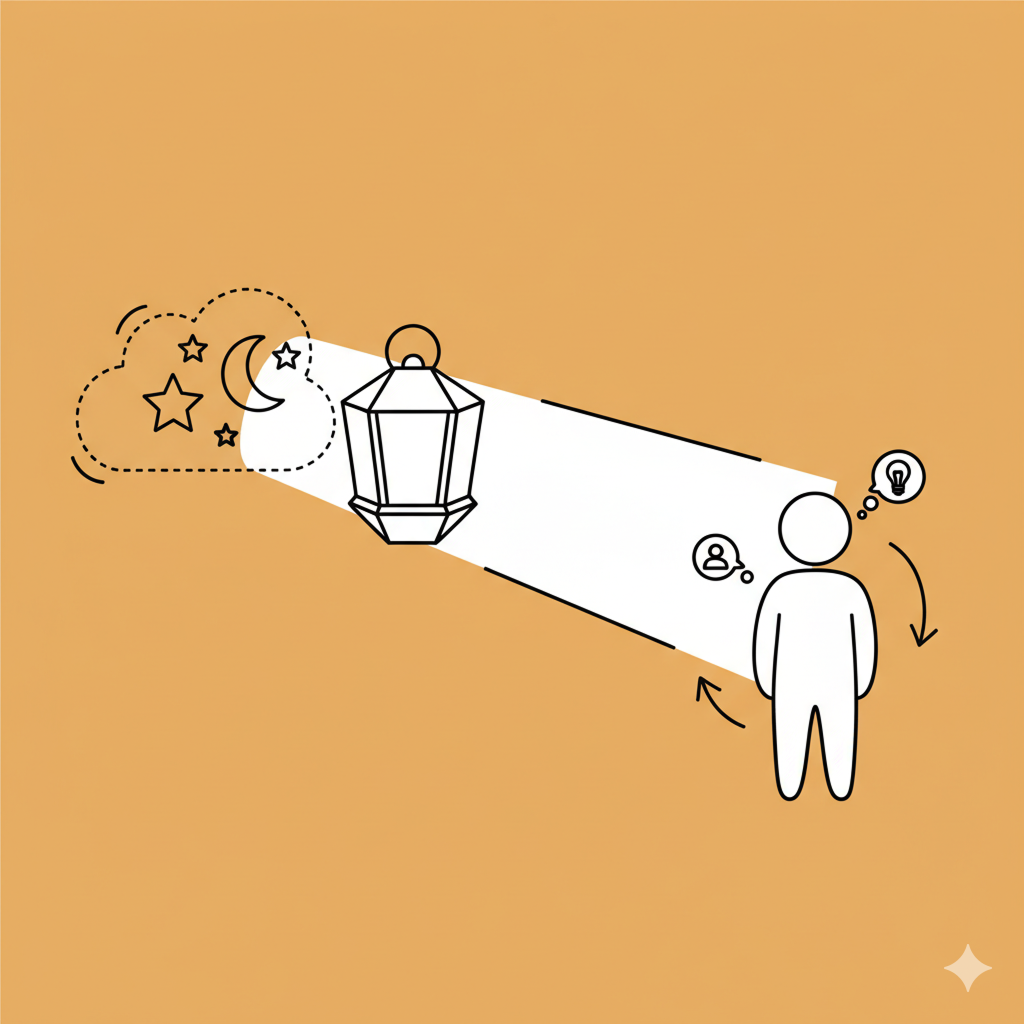
A New Way to Think About Customer Follow Up
To make follow-up really work, you need to change how you think about it. Follow-up should be:
- Relationship-focused: Build trust and stay connected with the customer.
- Service-driven: Help the customer, don’t just push for a sale.
- Emotionally positive: Bring back the excitement that first caught their attention.
When you follow up with care and a helpful attitude, customers notice. They don’t buy because you keep asking—they buy because they know you genuinely care about their needs.
Take Control of the Process
Sales isn’t something you can sit back and wait for. You need to take control of the process and help the customer make their decision. Leaving it up to them means you risk losing the sale. Distractions, forgetfulness, and hesitation will take over if you don’t stay engaged.
By following up regularly, you keep the relationship strong. Customer follow up helps customers makes decisions. Don’t wait for them to come back on their own. Show them you’re invested in helping them by following up consistently and thoughtfully.